Last Updated Apr 23, 2026
Rife Machine: The Complete Guide to How It Works, Types, and Modern Use
by RifePlayer Team
07 Mins read
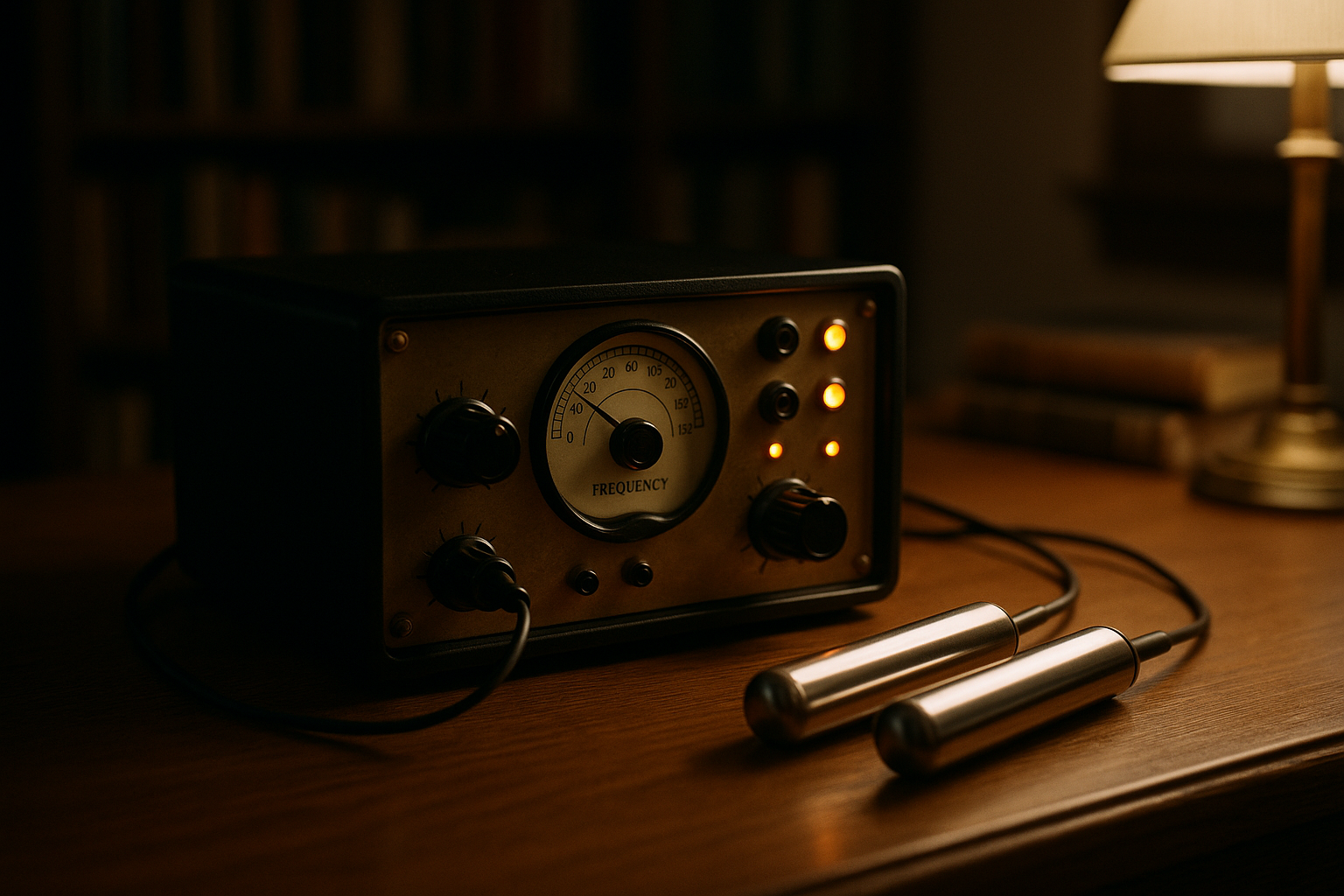
A Rife machine is a frequency-generating device rooted in the research of Dr. Royal Raymond Rife, a 1930s American inventor who believed that specific electromagnetic frequencies could interact with living tissue in beneficial ways. Nearly a century later, Rife machines remain one of the most discussed, debated, and misunderstood tools in the world of complementary wellness.
This guide walks through what a Rife machine actually is, how the technology works, the main types you will encounter, what to look for if you are considering one, and why many users today are choosing software-based alternatives like RifePlayer over traditional hardware.
What Is a Rife Machine?
A Rife machine is an electronic device that generates low-energy electromagnetic waves at precise frequencies. The underlying theory, developed by Royal Rife in the 1920s and 1930s, is that every organism and cell type has a Mortal Oscillatory Rate (MOR), a frequency at which its structure becomes unstable. By tuning a device to those frequencies, Rife proposed that specific pathogens could be disrupted without affecting surrounding healthy tissue.
The idea is often compared to an opera singer shattering a wine glass by matching its resonant frequency. Whether or not that comparison holds up biologically is a question science has debated for decades, but the principle is what every modern Rife machine is still built around.
For a deeper breakdown of the terminology, see our companion article: What is a Rife machine and how does it work?.
A Brief History of Rife Technology
Royal Rife spent much of his career in San Diego developing what he called the Universal Microscope, an optical instrument he claimed could view live microorganisms at magnifications far beyond what was possible in his era. Using that microscope, Rife reported identifying what he believed was a cancer-associated microorganism, which he called the BX virus, and a specific frequency that could neutralize it.
His work drew attention from respected physicians of the time, was featured in a 1944 Smithsonian Institution report, and became the subject of the 1934 University of Southern California special medical research committee trials. In the decades that followed, much of his original equipment was lost, his reputation became entangled with medical and regulatory controversy, and public knowledge of his research faded.
Modern Rife devices are inspired by Rife’s documented frequencies and theoretical framework, but they are not direct replicas of his original equipment. To learn more about the inventor himself, see The Forgotten Genius: Dr. Royal Rife and his frequency healing legacy.
How a Rife Machine Works
Every Rife machine, regardless of manufacturer, has three essential components:
- A frequency generator that produces a precise electrical signal at a chosen frequency.
- An output stage that converts or amplifies the signal into the form delivered to the body (plasma, electrical current, or audio).
- A delivery mechanism that transfers the frequency to the user, such as handheld cylinders, footplates, contact pads, a plasma tube, or headphones and speakers.
The user selects a frequency associated with a particular concern, runs a session for a set duration (usually 3 to 15 minutes per frequency), and then moves on to the next frequency in their sequence. Sessions can last from several minutes to an hour or more depending on the protocol.
Frequencies are typically expressed in hertz (Hz) and can range from single digits into the megahertz region. Different delivery methods are effective at different frequency ranges, which is part of what distinguishes one machine type from another.
The Main Types of Rife Machines
Not all Rife machines work the same way. Broadly, they fall into four categories.
1. Plasma Tube Machines
Plasma Rife machines use a gas-filled glass tube that glows when energized at high voltage. The tube radiates the selected frequency into the surrounding environment, so the user sits or lies near the device rather than making direct skin contact.
Examples include the BCX Ultra Deluxe, the GB4000 MOPA, and the PERL M+.
Strengths: wide frequency range, no direct electrical contact with the body. Tradeoffs: expensive, large, often require a dedicated space.
2. Contact Machines
Contact Rife machines deliver the frequency through electrodes, handheld cylinders, footplates, or sticky pads placed directly on the skin. The electrical signal flows through the body from one contact point to another.
Examples include the Spooky2 XM Generator, the JWLabs Model A3, the TrueRife F122, and the Alixxor Basic.
Strengths: more affordable, compact, suitable for home use. Tradeoffs: sensations can vary, contact quality matters, not ideal for users who dislike direct current.
3. Audio and Vibrational Machines
Audio Rife devices convert frequencies into the audible or near-audible range and play them through headphones, speakers, or transducers. The body is exposed to the frequency as sound pressure waves rather than electrical current.
This is the category that software-based Rife platforms generally belong to.
Strengths: no hardware beyond standard audio equipment, portable, very affordable. Tradeoffs: limited to the audible frequency range (approximately 20 Hz to 20 kHz), relies on audio equipment quality.
For guidance on the audio side, see Rife frequencies on headphones and speakers: what you need to know.
4. Software-Driven Hybrid Systems
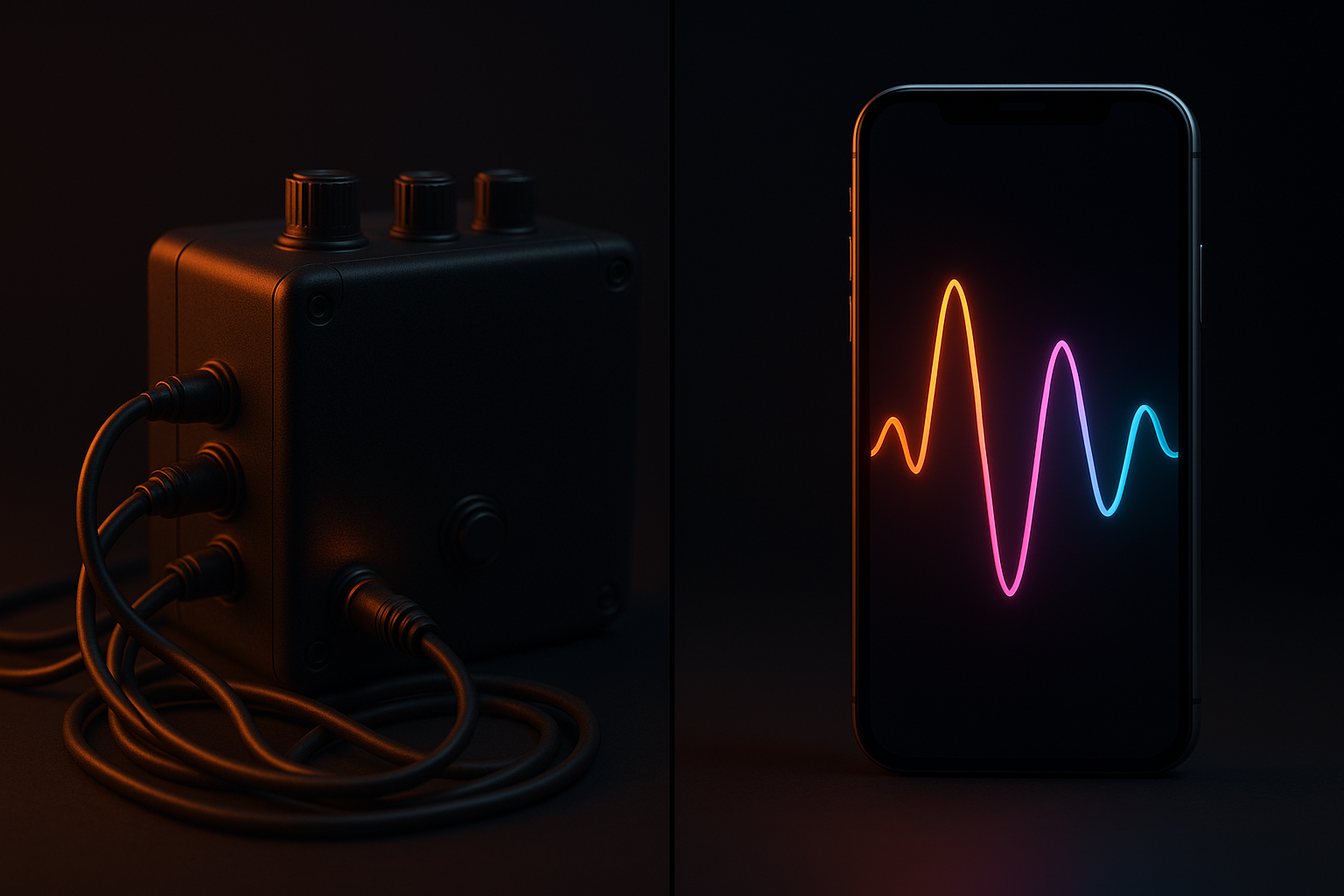
A modern generation of Rife platforms treats the frequency generator as software and uses off-the-shelf consumer hardware (laptops, phones, headphones, speakers) to deliver the output. Instead of buying a dedicated hardware box, users run a Rife app and select sessions from a curated frequency database.
RifePlayer is in this category. It runs in a browser, requires no special hardware, and includes thousands of pre-programmed frequencies. You can see the device compatibility guide for a full list of supported setups.
What to Look for in a Rife Machine
If you are evaluating options, the variables that actually matter are:
- Frequency range. Some conditions are associated with frequencies well above the audible range, while many common sessions sit within it. Match the device range to what you plan to run.
- Frequency accuracy. Precise frequency output is more important than raw power. A device that drifts is not reliable.
- Session database. Hardware is only as useful as the library of frequencies it can run. A large, well-researched set of protocols saves significant learning time.
- Ease of use. Devices with awkward interfaces get abandoned. Look for clear session management, good default protocols, and a gentle learning curve.
- Cost of ownership. Plasma systems can run into five figures; contact devices typically cost a few hundred to a few thousand dollars; software platforms generally run as a monthly subscription. We break costs down fully in How much does a Rife machine cost?.
- Support and community. Ongoing updates, a reachable support team, and an active user community are often the difference between a tool you use and a tool that sits on a shelf.
Are Rife Machines Safe?
For healthy adults using consumer-grade devices at reasonable durations, Rife sessions are generally considered low-risk. The energy levels involved are typically far below those used in medical imaging or therapeutic equipment, and the frequencies are applied non-invasively.
However, there are real considerations to be aware of:
- People with pacemakers, implanted electronic devices, or active epilepsy should avoid Rife machines unless specifically cleared by their physician.
- Pregnancy is a common contraindication for many Rife protocols.
- Some users report mild detox-style reactions (headaches, fatigue) when starting out, which typically resolve with shorter sessions and more hydration.
- Skin irritation can occur with contact devices if electrodes are not applied carefully.
RifePlayer is a wellness tool. The content in this article is educational and is not medical advice. Rife therapy is not approved by the FDA to treat, cure, or prevent any disease. Always consult a qualified healthcare provider before starting any new wellness protocol, especially if you have existing health conditions or take prescription medications.
Why Many Users Are Moving to Software-Based Rife
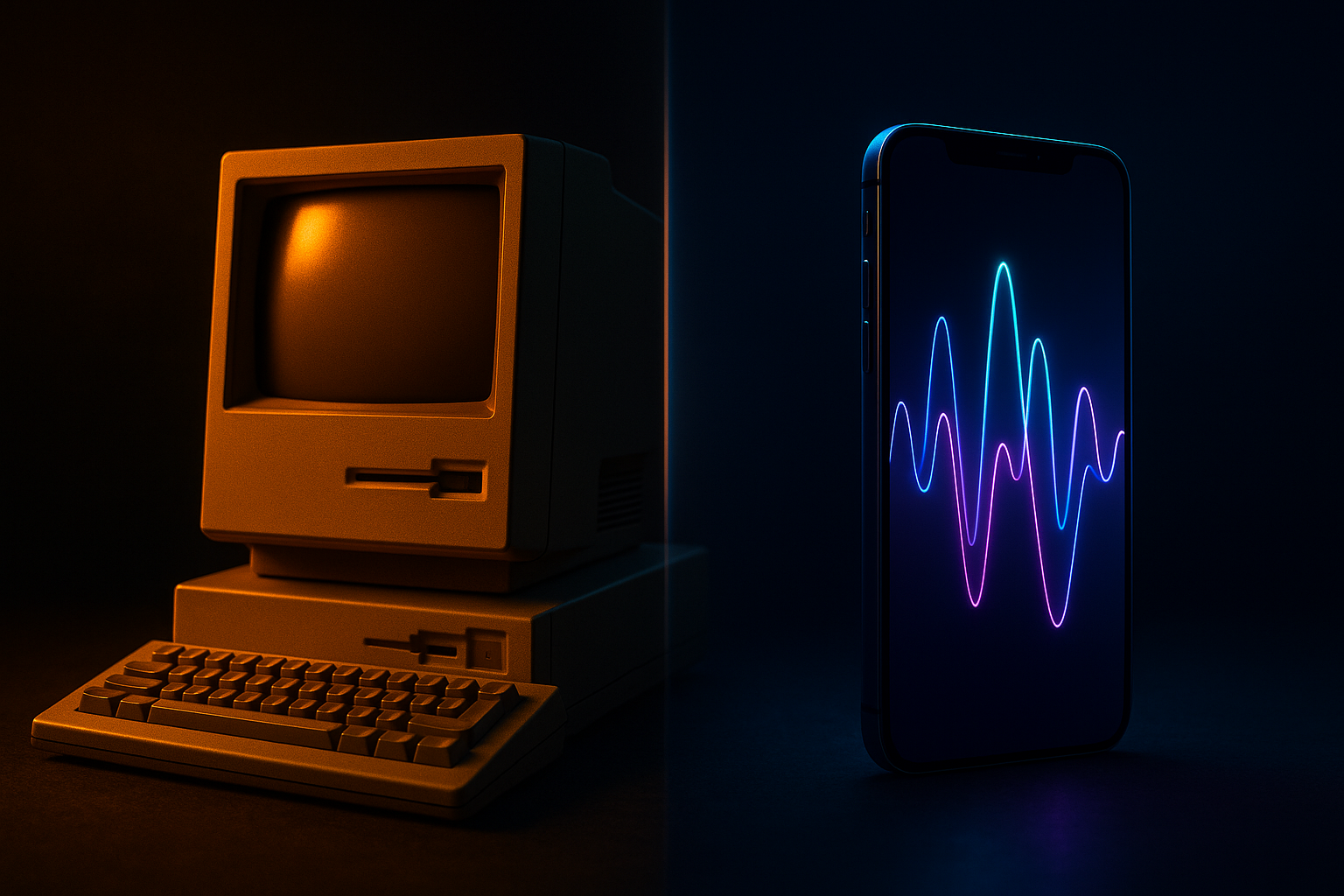
Traditional hardware Rife machines solved a problem that existed in the 1980s and 1990s: there was no other way to generate precise frequencies at home. That problem has quietly disappeared.
Modern laptops and phones can generate extraordinarily precise frequencies in the audio range. Good headphones and speakers can reproduce those frequencies accurately. Cloud-based software can deliver curated session libraries, apply updates, and continuously expand the database without anyone shipping new hardware.
This is the model RifePlayer is built around. Instead of a five-thousand-dollar device with a fixed frequency list, you get a constantly updated software library, a managed session experience, and the ability to run Rife sessions anywhere you have a phone or laptop. For context on where software fits in the broader picture, see our guide to frequency therapy applications.
Software is not a replacement for every hardware use case. Serious plasma enthusiasts and some specific clinical protocols will still prefer dedicated equipment. But for the large majority of users exploring Rife frequencies for general wellness, a good software platform covers the same ground at a fraction of the cost and none of the setup.
Getting Started With Rife
If you are new to Rife, a simple starting path looks like this:
- Read a solid primer on the theory. The Understanding Rife frequencies guide is a good first stop.
- Decide how you want to deliver frequencies: direct electrical contact, plasma, or audio-based.
- Start with shorter sessions (3 to 10 minutes per frequency) and a small number of protocols before scaling up.
- Track how you feel. Rife is highly individual; what works for one person may not for another.
- Stay hydrated, rest, and treat it as one part of a broader wellness routine rather than a single intervention.
If you would like to try Rife without committing to hardware first, start a RifePlayer session right from your browser.
FAQ
Is a Rife machine the same as a frequency generator?
Not exactly. All Rife machines are frequency generators, but not every frequency generator is a Rife machine. A Rife device is specifically built around Rife’s frequency theory and typically ships with a library of protocols tied to that framework.
How long does a typical Rife session last?
Most individual frequencies run for 3 to 15 minutes. A full session, combining several frequencies, often lasts 20 to 60 minutes. Beginners usually start with shorter durations and fewer frequencies per session.
Can a Rife machine cure disease?
No. Rife machines are not approved to treat, cure, or prevent any disease. They are classified as complementary wellness tools. Claims beyond that are not supported by the current regulatory or clinical framework.
Do I need to buy a hardware Rife machine to get started?
No. Modern software platforms like RifePlayer can run audio-based Rife sessions on standard consumer hardware. Many users begin there, and some never move to dedicated hardware at all.
Are Rife frequencies found in any official database?
There is no single official Rife frequency database. Different practitioners and platforms maintain their own lists based on historical records, experimentation, and community research. RifePlayer curates one of the largest maintained libraries available today.
The Short Version
A Rife machine is a device that generates specific frequencies based on the work of Royal Rife, delivered to the body through plasma, contact electrodes, or audio. The four main categories (plasma, contact, audio, and software-based) each have their place. Safety is reasonable for healthy adults but real contraindications exist. And for most new users, a software-first approach removes the biggest barrier to exploring Rife at all.
If you want to try it without investing in hardware, you can run your first session at rifeplayer.com in a few minutes.
Read More Articles
Ready to start your healing journey?
Experience the power of rife frequency therapy with RifePlayer - the easiest way to use rife frequencies for your wellness.